Why You’re Hungry All the Time: Appetite, Hormones, and a Primary Care Approach to Weight Management

Hawkins Medical • April 6, 2026

Why You’re Hungry All the Time: Appetite, Hormones, and a Primary Care Approach to Weight Management

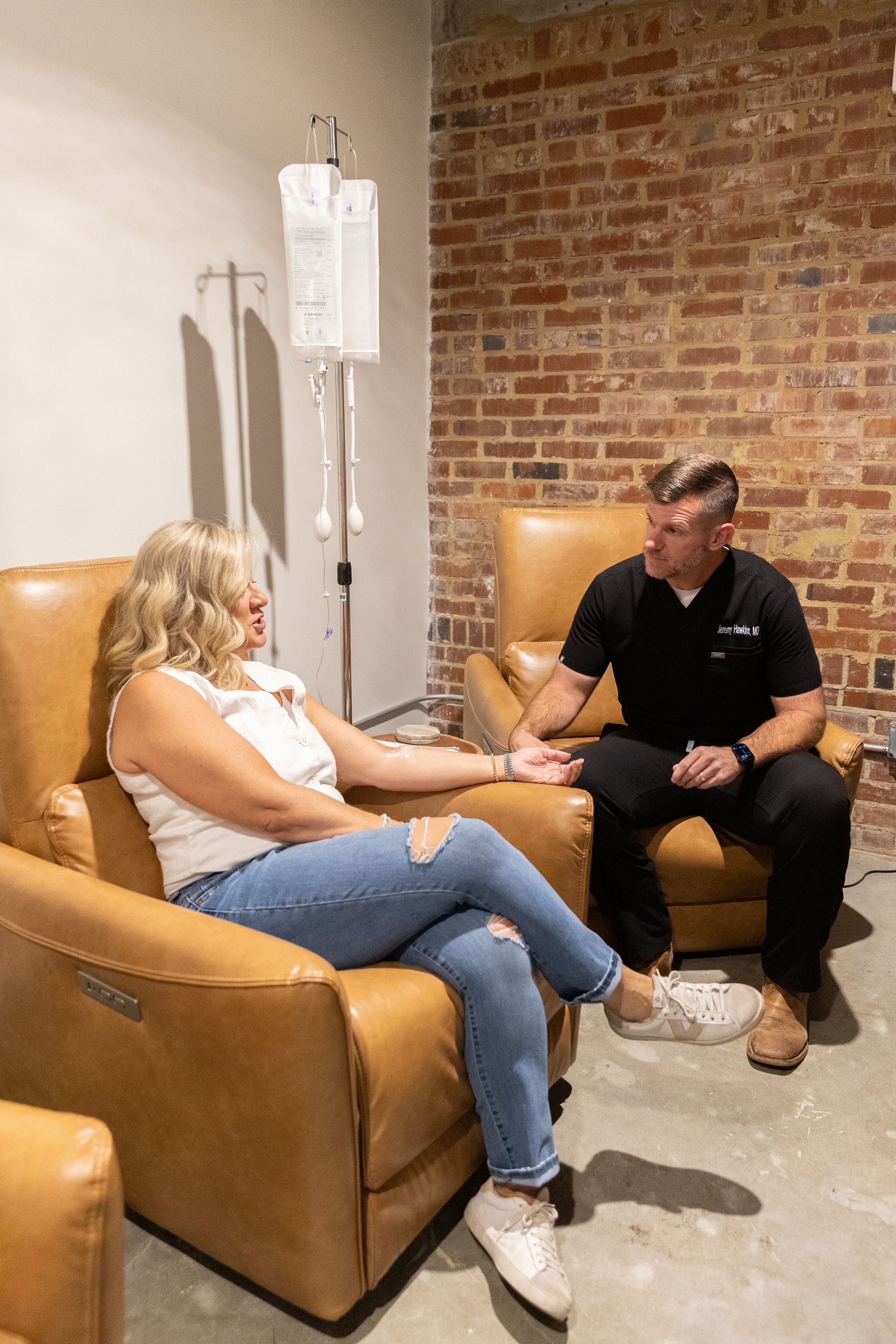
Patient communicating with physician

If you feel like you’re hungry all the time, you’re not alone — and you’re not “broken.” Persistent hunger can be frustrating because it makes weight loss feel like a constant fight. You try to eat better, then hunger shows up again (often at the worst times), and suddenly you’re back in the cycle of snacking, cravings, and feeling discouraged.


At Hawkins Medical & Wellness in Cullman, Alabama, we approach weight management with a primary care mindset: hunger isn’t just a willpower issue. It can be influenced by sleep, stress, hormones, blood sugar patterns, routine, and even certain medications. If you’re in Cullman, AL or North Alabama and struggling to feel full, this guide explains what may be driving it — and what you can do next.


Learn more about our weight management services here: https://www.hawkinsmed.com/weight-loss


Why Hunger Can Feel So Intense (Even When You’re “Eating Enough”)

Hunger is controlled by a mix of signals — some physical, some hormonal, and some behavioral. When those signals get out of sync, you may feel hungry even after meals, crave specific foods, or feel like you have no “off switch.”


1) Protein and Fiber Are Too Low

One of the most common reasons for constant hunger is simply meal composition. Meals that are mostly carbs (even “healthy” carbs) may digest quickly and leave you searching for snacks an hour later.


What helps:

  • Protein at every meal
  • Fiber (veggies, beans, berries, whole grains as tolerated)
  • Balanced meals that include healthy fats


2) Sleep Is Driving Appetite Signals

Poor sleep can ramp up hunger and cravings, especially for high-carb, high-sugar foods. Even a few nights of low sleep can make appetite feel louder — and make your body less efficient at managing cravings.


What helps:

  • Consistent sleep and wake times when possible
  • A bedtime routine that reduces screen time and late-night eating
  • Planning a protein-forward breakfast (helps stabilize the day)


3) Stress Makes You Crave Fast Energy

Stress changes how you eat. It can push you toward comfort foods, increase “reward” cravings, and make it harder to feel satisfied. High stress also makes it easier to snack mindlessly — not because you’re weak, but because your brain is looking for relief.


For more wellness education that supports long-term health habits, explore our health resources: https://www.hawkinsmed.com/health


4) Blood Sugar Swings Can Trigger “Emergency Hunger”

If you regularly go too long without eating, rely on highly processed snacks, or have meals that spike and crash your energy, you may experience sudden hunger or irritability that feels urgent.


Signs this may be happening:

  • you feel shaky or “hangry” between meals
  • you get intense cravings late afternoon
  • you feel better after eating sweets but crash later


A primary care approach can help you look at your routine and discuss whether metabolic markers should be part of your plan.


5) Hormone-Related Patterns (Including Life Stages)

Hormones influence appetite, energy, and cravings — and many people notice shifts during major life stages or monthly cycles. It doesn’t mean you can’t lose weight. It means your plan may need to be realistic and responsive to patterns.


If you’re noticing persistent symptoms along with hunger (fatigue, mood changes, sleep disruption), it can be helpful to talk with our team.


What Our Primary Care Physician Approach Looks At

At Hawkins Medical & Wellness, weight loss isn’t “one-size-fits-all.” Our primary care lens helps us look for practical causes and solutions.


You can explore our full list of services here: https://www.hawkinsmed.com/services


1) Your Routine (Not Just Your “Best Day”)

Many people eat well Monday–Thursday and then struggle Friday–Sunday. Or they skip breakfast, under-eat midday, and end up ravenous at night. We look at the realistic rhythm of your week.


2) Medication Review

Some medications can affect appetite, cravings, energy, or water retention. A primary care physician can help you identify whether anything you’re taking might be contributing — and discuss options safely.


3) Habits That Support Fullness

Hunger isn’t solved by eating less. It’s often solved by eating smarter:

  • protein-forward meals
  • adequate hydration
  • planned snacks that prevent a crash
  • consistent meal timing (when possible)


Practical Steps to Feel Fuller This Week

You don’t need an extreme overhaul to see improvement. Start here:


Step 1: Build a “Protein First” Breakfast

Aim for protein early in the day. It often reduces cravings later.


Step 2: Add a Planned Afternoon Protein Snack

This helps prevent the late-day hunger spiral.


Step 3: Hydrate Earlier (Not Just at Night)

Many people mistake thirst for hunger — especially during busy days in North Alabama heat.


Step 4: Stop Skipping Meals to “Save Calories”

Skipping meals often backfires into overeating later.


When Medically Supervised Support May Help

For some patients, appetite signals are the biggest barrier. That’s why our weight management services may include medically supervised options like semaglutide injections and tirzepatide when appropriate — paired with follow-ups and habit support.


Learn more about our program here: https://www.hawkinsmed.com/weight-loss


Book a Weight Management Consultation in Cullman, AL

If you’re in Cullman, AL or North Alabama and hunger is making weight loss feel impossible, our team is here to help you build a plan that feels doable — and sustainable.


Medical Disclaimer

This blog is for informational purposes only and does not provide medical advice, diagnosis, or treatment. Individual needs vary. Always consult a qualified healthcare professional regarding symptoms, medications, or health concerns. If you have severe symptoms or a medical emergency, call 911 or seek emergency care immediately.

medical examination room inside Hawkins Medical & Wellness
By Hawkins Medical April 6, 2026
If you’ve ever thought, “I’m eating better, I’m moving more, and nothing is happening,” you’re not alone. This is one of the most common frustrations we hear from patients in Cullman, AL and across North Alabama.
Hawkins Medical & Wellness signage inside facility
By Hawkins Medical April 6, 2026
Weight loss usually isn’t hard because you don’t know what to do. It’s hard because life is busy — and consistency is the hardest part. You start strong, then schedules shift, stress increases, travel happens, and suddenly you’re piecing together advice from the internet and wondering why progress stalled.
electronic scale used to measure weight
By Hawkins Medical March 2, 2026
One of the most common frustrations we hear from patients is this: “I started strong, and now it’s slowing down—did it stop working?” If you’re using semaglutide injections or tirzepatide as part of a medically supervised plan, a slowdown can feel discouraging. But in many cases, it’s not a failure. It’s simply the po
Hawkins Medical team member communicating with patient at front desk
By Hawkins Medical March 2, 2026
If you’re trying to lose weight, it’s easy to make the scale the only “scoreboard.” But weight management is about more than pounds—it’s about how your body is functioning. Two people can weigh the same and have completely different health profiles, energy levels, and risk factors.
By Hawkins Medical March 2, 2026
If you’ve ever hit a point where the scale just won’t budge—despite doing “everything right”—welcome to the weight loss plateau. It’s frustrating, common, and (most importantly) fixable. If you’re ready for a clear explanation of why plateaus happen and what to do next, here’s the real story.
By Hawkins Medical February 9, 2026
Primary Care vs. Urgent Care in Cullman, AL: Where Should You Go for a Sick Visit? 
By Hawkins Medical February 9, 2026
Chronic Condition Check-Ins: How Primary Care Helps You Stay Ahead (Not Just React) 
By Hawkins Medical February 9, 2026
What Happens at an Annual Physical? A Primary Care Guide for Cullman, AL and North Alabama 
By Hawkins Medical January 13, 2026
The body content of your post goes here. To edit this text, click on it and delete this default text and start typing your own or paste your own from a different source.
By Hawkins Medical January 13, 2026
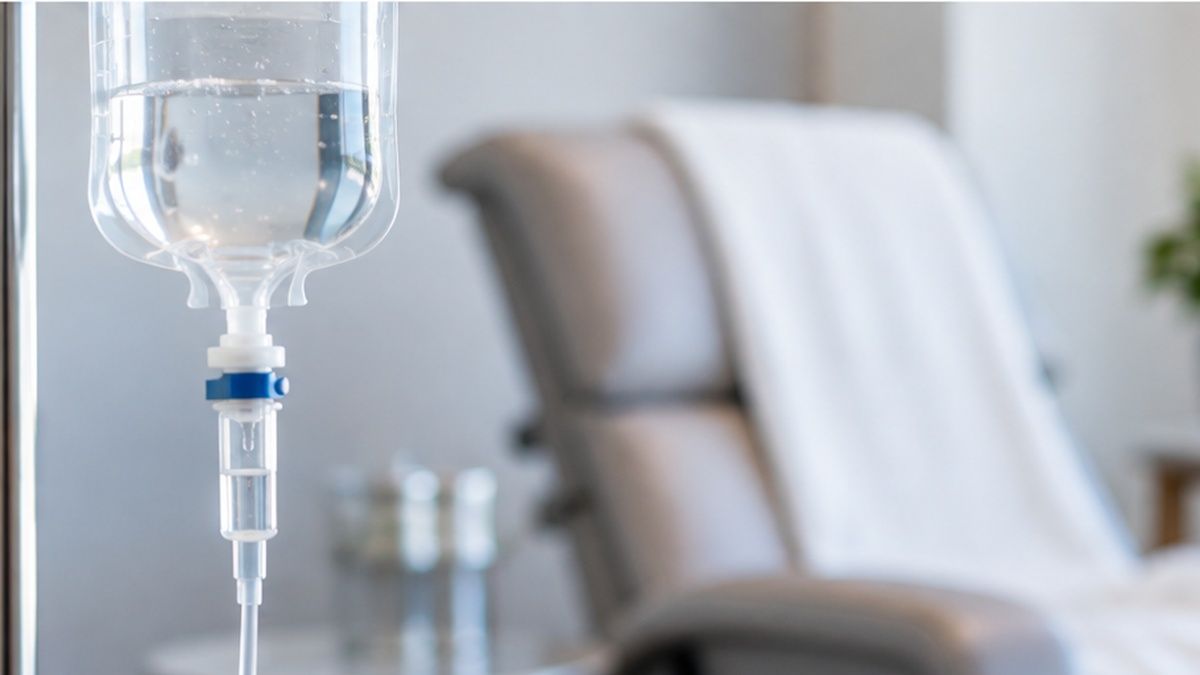
Dehydration doesn’t always look dramatic. Sometimes it’s a low-grade, nagging feeling: headaches that won’t quit, energy that’s dragging, or “I can’t get caught up” fatigue—especially during hot North Alabama summers, after travel, or when you’ve been sick. If you’re searching for IV hydration therapy in Cullman, AL or “hydration therapy near me,” you’re probably looking for fast, practical support. At Hawkins Medical & Wellness in Cullman, Alabama , IV hydration is one of the ways we support patients who may need help replenishing fluids and getting back to feeling like themselves. Learn more about our infusion options here: https://www.hawkinsmed.com/infusions What Is IV Hydration Therapy? IV hydration therapy delivers fluids directly into your bloodstream through an IV. This can be useful when: you’ve lost fluids (illness, heat exposure, or excessive sweating) you’re having trouble keeping fluids down oral hydration isn’t working quickly enough for how you feel IV hydration is supportive care—it may help you rehydrate more efficiently than trying to “catch up” with water alone, especially when you’re already behind. Common Signs of Dehydration Dehydration can range from mild to severe. If you’re experiencing severe symptoms, you should seek urgent or emergency care. But many people experience milder signs that still impact daily life. Mild to Moderate Dehydration Symptoms You might notice: headaches or head pressure fatigue or “heavy” energy dry mouth or increased thirst dizziness (especially when standing) muscle cramps dark urine or going less often than usual brain fog or trouble focusing Situations That Make Dehydration More Likely In Cullman and across North Alabama , dehydration risk can increase with: hot or humid weather outdoor work or workouts stomach bugs, vomiting, or diarrhea travel (especially flying) busy weeks where you forget to drink enough fluids high caffeine intake with low water intake When IV Hydration May Be Worth Considering Oral hydration is a great first step. But IV hydration may be helpful when: You’re Not Catching Up With Oral Fluids If you’ve been sipping water all day and still feel depleted, you may be behind on fluids and electrolytes. You’ve Been Sick and Feel “Wiped Out” After illness, especially GI illness, hydration can be one of the biggest factors in how quickly you feel better. You’re Recovering From Heat Exposure or Heavy Sweating If you’ve been sweating heavily—work, sports, yardwork—rehydration may help with recovery and muscle cramping. You Need Support to Get Back on Track Quickly Some patients choose IV hydration because they have work, travel, or family responsibilities and want a faster reset. What IV Hydration Can’t Do It’s just as important to know what IV hydration isn’t. It Doesn’t Replace Medical Evaluation for Concerning Symptoms If you have ongoing dizziness, fainting, chest pain, severe weakness, confusion, or persistent vomiting, don’t “tough it out.” Those symptoms need medical attention. If you’re unsure whether you need a sick visit, you can explore our primary care options here: https://www.hawkinsmed.com/sick-visit---primary-care It Doesn’t Fix the Root Cause by Itself If dehydration is happening repeatedly, we may need to look at why—diet, medications, illness patterns, or lifestyle factors. For a broader view of how we support wellness, see our services : https://www.hawkinsmed.com/services What to Expect During IV Hydration at Hawkins Medical & Wellness We aim to keep the process calm, comfortable, and straightforward. Step 1: Quick Review of Your Needs We’ll ask about your symptoms, recent activity/illness, and relevant health history so we can guide you toward the best option. Step 2: The Infusion You’ll relax while fluids are administered. Most patients feel little beyond the initial IV placement. Step 3: Aftercare and Next Steps We’ll share general guidance, including hydration habits you can keep up at home and when to follow up if symptoms persist. Want to learn more about our clinic? Visit our About page : https://www.hawkinsmed.com/about Practical Hydration Tips for Everyday Life IV hydration can help in the right situation, but everyday habits matter too—especially if you’re active or prone to headaches. Build a “Hydration Baseline” Keep a water bottle where you can see it Drink consistently earlier in the day (not all at night) Pair hydration with routines: coffee, lunch, post-workout Watch the “Dehydration Stack” Dehydration often stacks up when several factors hit at once: heat + caffeine + busy schedule + not eating well. When you notice the pattern, it’s easier to intervene sooner. Don’t Ignore Electrolytes If you’re sweating heavily, you may need more than water. Electrolytes can help support fluid balance—especially during hot seasons. FAQs About IV Hydration Therapy How fast will I feel better? Some people feel improvement quickly—especially if dehydration is the main issue. Others may notice gradual improvement. Results vary. Is IV hydration the same as an “immune boost” IV? Not necessarily. Different infusions can have different goals. If you have questions, our team can explain options. Can I do IV hydration if I’m sick? Sometimes hydration support can help, but if symptoms are severe or worsening, you may need a medical evaluation first. Book IV Hydration Therapy in Cullman, AL If you’re considering IV hydration therapy in Cullman, AL or surrounding North Alabama areas, Hawkins Medical & Wellness can help you decide whether IV hydration is a good fit for what you’re feeling. Schedule Your Visit Book online: https://www.hawkinsmed.com/contact Call us: (256) 531-3961  For more wellness education, you can also explore our health resources here: https://www.hawkinsmed.com/health