

Women’s Health in Primary Care: Preventive Care Checklists by Age (20s, 30s, 40s, 50+)
Women’s Health in Primary Care: Preventive Care Checklists by Age (20s, 30s, 40s, 50+)
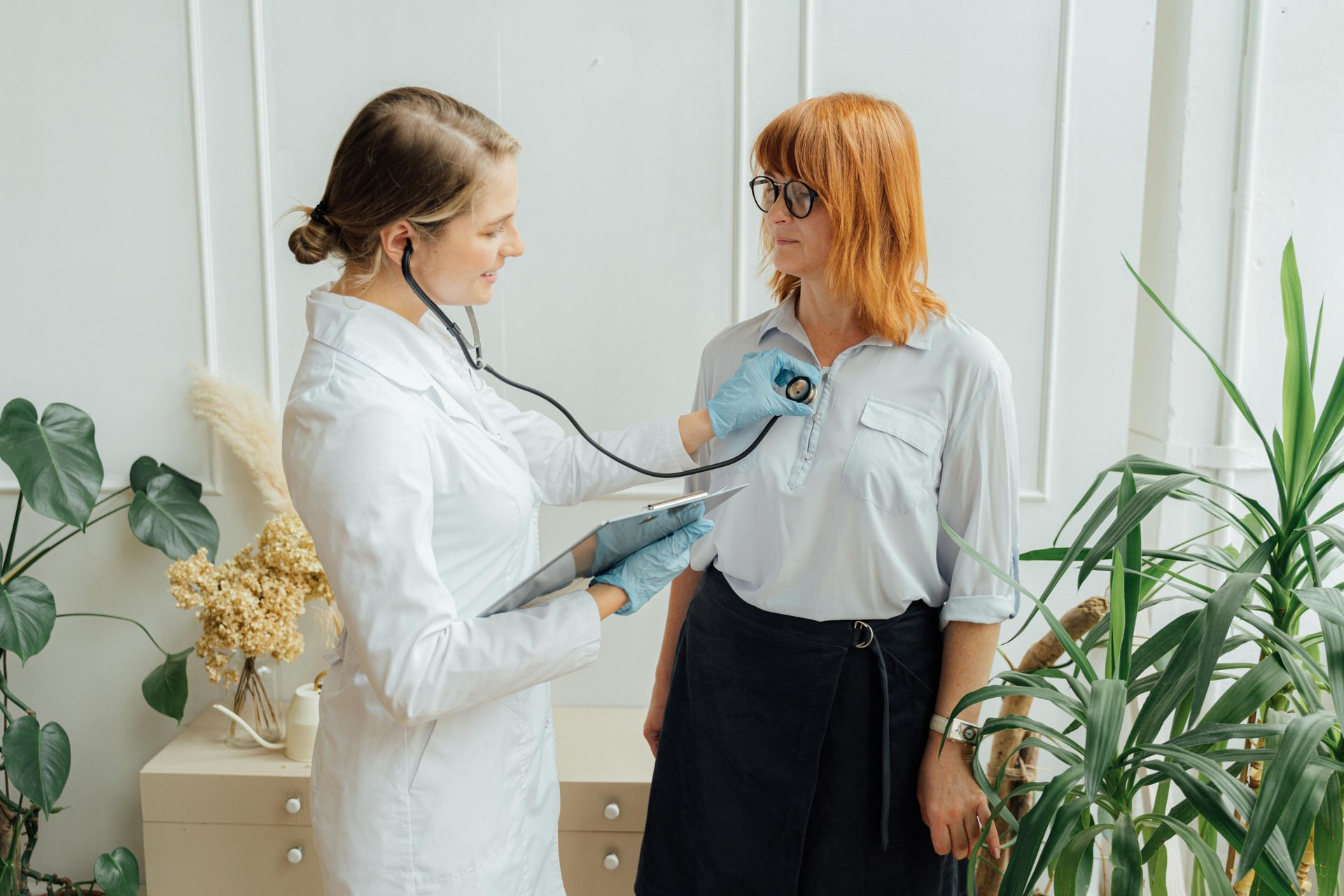
Women’s health needs change over time — and it’s easy to put your own care on the back burner when life is busy. But staying proactive doesn’t have to feel overwhelming. The easiest way to think about it is this: primary care is your health home base, and preventive care is how you stay ahead.
At Hawkins Medical & Wellness in Cullman, Alabama, our primary care team supports women across Cullman, AL and North Alabama with preventive visits, wellness planning, and help connecting symptoms to the bigger picture — not just treating things in isolation.
This guide offers a clear, age-based preventive care checklist to help you know what to prioritize and what to ask at your next appointment.
If you’re ready to schedule a visit, start here.
Why Women’s Health Belongs in Primary Care
Women often juggle a lot — careers, caregiving, family logistics, and stress — which can make it easy to ignore symptoms or skip check-ups. Primary care helps you avoid the “wait until it’s serious” cycle by focusing on:
- annual wellness planning
- preventive screenings
- blood work and trend tracking
- symptom evaluation and next steps
You can explore our services here.
Women’s Preventive Care in Your 20s
Your 20s are a great time to establish a relationship with a primary care physician and build a baseline.
Priorities to Discuss
- establishing primary care and health history
- sleep, stress, and energy patterns
- nutrition habits and movement routines
- contraception questions (as applicable)
- mental wellness and stress support
Helpful “Baseline” Checkpoints
- blood pressure checks
- routine wellness labs when appropriate
- vaccine updates and preventive planning
If you’re sick or need a short-notice evaluation, read more here.
Women’s Preventive Care in Your 30s
Your 30s can bring major life transitions: career intensity, family-building years, changing schedules, and less time to reset. Preventive care matters because health shifts can happen quietly.
Common Topics Women Bring Up in Their 30s
- fatigue and low energy
- changes in sleep quality
- stress and burnout patterns
- weight changes and appetite shifts
- headaches or persistent symptoms that keep returning
Preventive Care Focus
- routine wellness visits
- blood pressure monitoring
- labs and trend tracking when appropriate
- wellness goal planning (energy, sleep, weight management)
If weight management is one of your goals, you can learn about our medically supervised program here.
Women’s Preventive Care in Your 40s
In your 40s, many women start noticing changes in energy, recovery, sleep, and weight patterns — and preventive care becomes even more important because small issues are easier to address early.
Topics to Bring Up (Even If You Think It’s “Normal”)
- persistent fatigue or brain fog
- increased stress or mood shifts
- sleep disruption
- changes in appetite, weight, or cravings
- changes in how your body responds to exercise
Preventive Care Focus
- routine screening guidance based on your risk factors
- blood pressure and metabolic trend tracking
- discussing family history changes (heart health, diabetes, etc.)
For ongoing wellness education, visit our health resources.
Women’s Preventive Care in Your 50s and Beyond
In your 50s+, preventive care is about protecting long-term health, quality of life, and independence. A strong primary care plan can help you stay proactive and make changes early.
Focus Areas Many Women Prioritize
- heart health and blood pressure trends
- metabolic health patterns (blood sugar stability, cholesterol trends)
- sleep and energy goals
- maintaining strength and mobility
- nutrition routines that support long-term wellness
The Value of Trend Tracking
One of the most important benefits of ongoing primary care is comparison over time. Your current numbers mean more when we can compare them to your baseline and identify trends early.
How to Prepare for a Women’s Health Primary Care Visit
Bring These Notes (Quick and Simple)
- symptoms you’ve noticed (even if they feel minor)
- how long they’ve been happening
- any triggers (stress, certain foods, cycle timing, sleep changes)
- medications and supplements
- your top 3 questions or goals
Don’t Minimize Your Symptoms
Many women normalize discomfort for years. If something feels off, bring it up. Preventive care works best when you talk about changes early.
How Our Clinic Supports Women in Cullman, AL and North Alabama
At Hawkins Medical & Wellness, we aim to make primary care practical and supportive:
- preventive care planning
- wellness visits and sick visits
- labs and health marker monitoring
- weight management support when appropriate
- clear next steps, not vague advice
Learn more about our clinic here.
Book a Women’s Health Preventive Visit
If you’re in Cullman, AL or North Alabama and want a clear, proactive approach to women’s health, we’re here.
- Book online: https://www.hawkinsmed.com/contact
- Call us: (256) 531-3961
- Explore our services: https://www.hawkinsmed.com/services
Medical Disclaimer
This blog is for informational purposes only and does not provide medical advice, diagnosis, or treatment. Preventive care needs vary based on personal health history and risk factors. Always consult a qualified healthcare professional regarding symptoms, screenings, and medical decisions. If you have severe symptoms or a medical emergency, call 911 or seek emergency care immediately.