

Flu Treatment in Cullman, AL: When to Schedule a Sick Visit
Flu Treatment in Cullman, AL: When to Schedule a Sick Visit
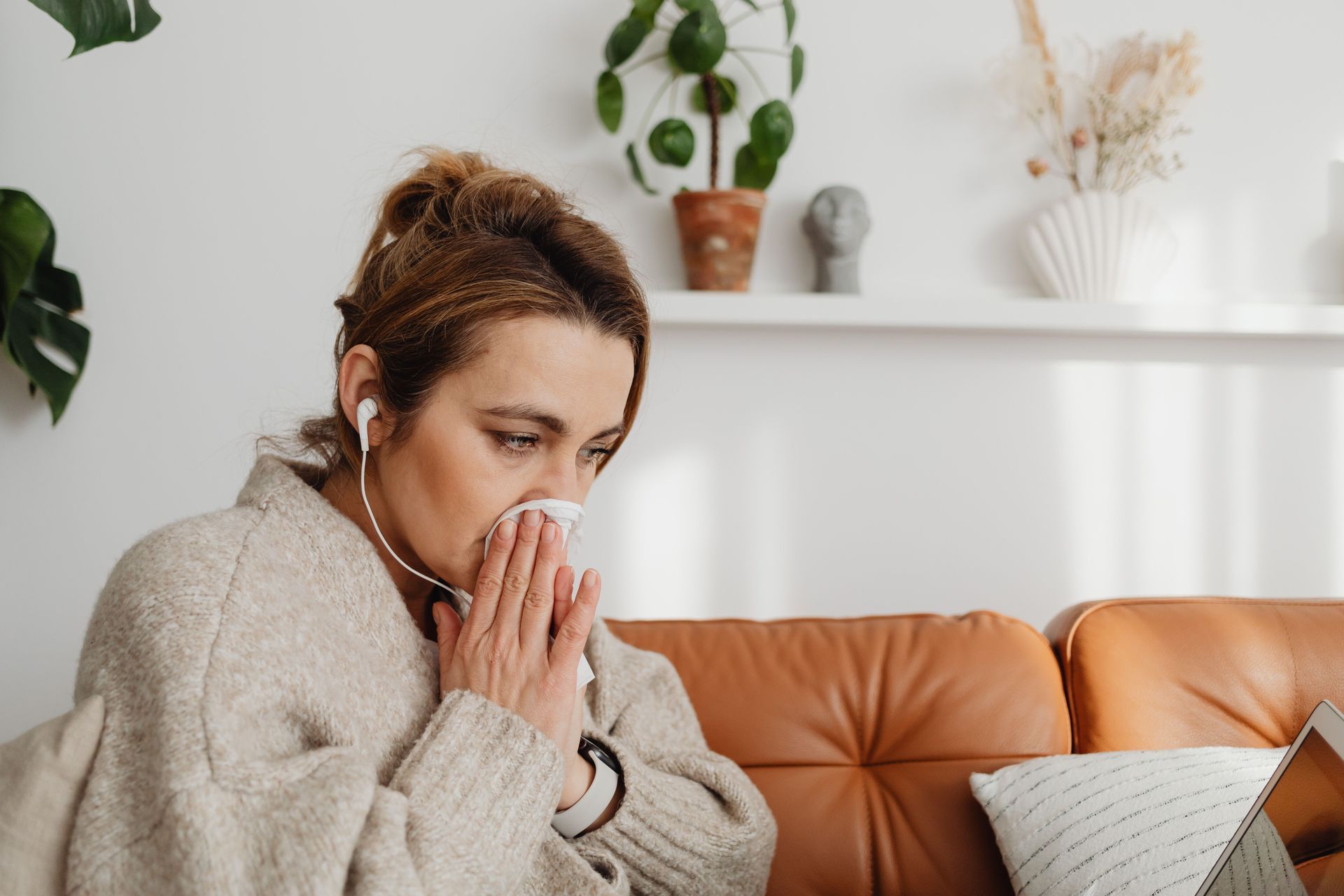
Flu season has a way of arriving at the least convenient time. One day you feel normal, and the next you may be dealing with fever, chills, body aches, exhaustion, headache, cough, or a sore throat.
Many healthy adults can manage influenza at home with rest, fluids, and symptom care. But calling a healthcare provider early can matter if symptoms are severe, you are at higher risk for complications, or prescription antiviral treatment may be appropriate.
At Hawkins Medical & Wellness, we provide sick visits and acute care in Cullman, Alabama. If you are wondering whether flu-like symptoms should be managed at home or evaluated, here are a few practical guidelines.
Learn more about our sick visit and primary care services.
What Does the Flu Usually Feel Like?
Influenza is a respiratory illness, but it often affects the whole body.
Common Flu Symptoms
Symptoms may include:
- Fever or feeling feverish
- Chills
- Cough
- Sore throat
- Runny or stuffy nose
- Muscle or body aches
- Headache
- Significant fatigue
- Sometimes vomiting or diarrhea, especially in children
Not everyone with the flu develops a fever, and symptoms can overlap with COVID-19 and other respiratory infections. A medical evaluation may be helpful when symptoms are significant or the diagnosis is unclear.
When Should You Schedule a Sick Visit?
You do not need a clinic visit for every mild respiratory illness. However, there are situations where it makes sense to call a healthcare provider.
Call Early if You Are at Higher Risk
People at higher risk of serious flu complications should contact a healthcare provider promptly if flu symptoms develop.
Higher-risk groups include people with certain chronic medical conditions, pregnant patients, older adults, young children, and others at increased risk of complications. If you are unsure whether that includes you, call our office.
Schedule a Visit if You Feel Very Sick
Even if you are not in a higher-risk group, an evaluation may be appropriate when symptoms are severe, worsening, or interfering with your ability to stay hydrated or function normally.
You should also consider medical care if symptoms improve and then become worse again.
Why Timing Matters for Flu Antiviral Treatment
Prescription antiviral medications can be used to treat influenza in some patients. These medications are not antibiotics. Antibiotics treat bacterial infections and do not treat the influenza virus.
Antivirals Work Best When Started Early
Flu antiviral medicines generally provide the most benefit when started within the first one to two days after symptoms begin. For patients who are hospitalized, very sick, or at higher risk for complications, treatment may still be recommended even when more time has passed.
That is why calling sooner rather than later can matter if you are at higher risk or your symptoms hit hard.
A healthcare provider can determine whether antiviral treatment is appropriate based on your symptoms, timing, age, and health history.
Flu, Cold, or Something Else?
Respiratory symptoms can be frustrating because several illnesses can look similar.
Colds may cause congestion, runny nose, sneezing, sore throat, and cough. Flu is often associated with more sudden symptoms, significant fatigue, fever, chills, headache, and body aches.
Symptoms alone cannot always identify the virus. COVID-19, influenza, and other respiratory infections can overlap, so your provider may recommend testing when the result could affect treatment or precautions.
Explore our broader health services here.
What Can You Do at Home for Mild Flu Symptoms?
If your illness is mild and you are not in a high-risk group, supportive care may be enough.
Helpful steps may include:
- Resting
- Drinking enough fluids
- Eating what you can tolerate
- Following appropriate over-the-counter medication directions
- Avoiding close contact with others while sick
- Paying attention to changes in symptoms
Check the ingredients before combining cold and flu products because different products may contain the same active medication. If you take prescription medications or have chronic health conditions, ask which over-the-counter medicines are appropriate for you.
Hydration Matters When You Are Sick
Fever, sweating, reduced appetite, vomiting, or diarrhea can increase the risk of dehydration.
Signs may include dry mouth, dark urine, urinating less often, dizziness, weakness, headache, or increased thirst.
Mild dehydration may improve with oral fluids and electrolytes. If you cannot keep fluids down, are becoming significantly dehydrated, or feel faint or confused, you need medical attention.
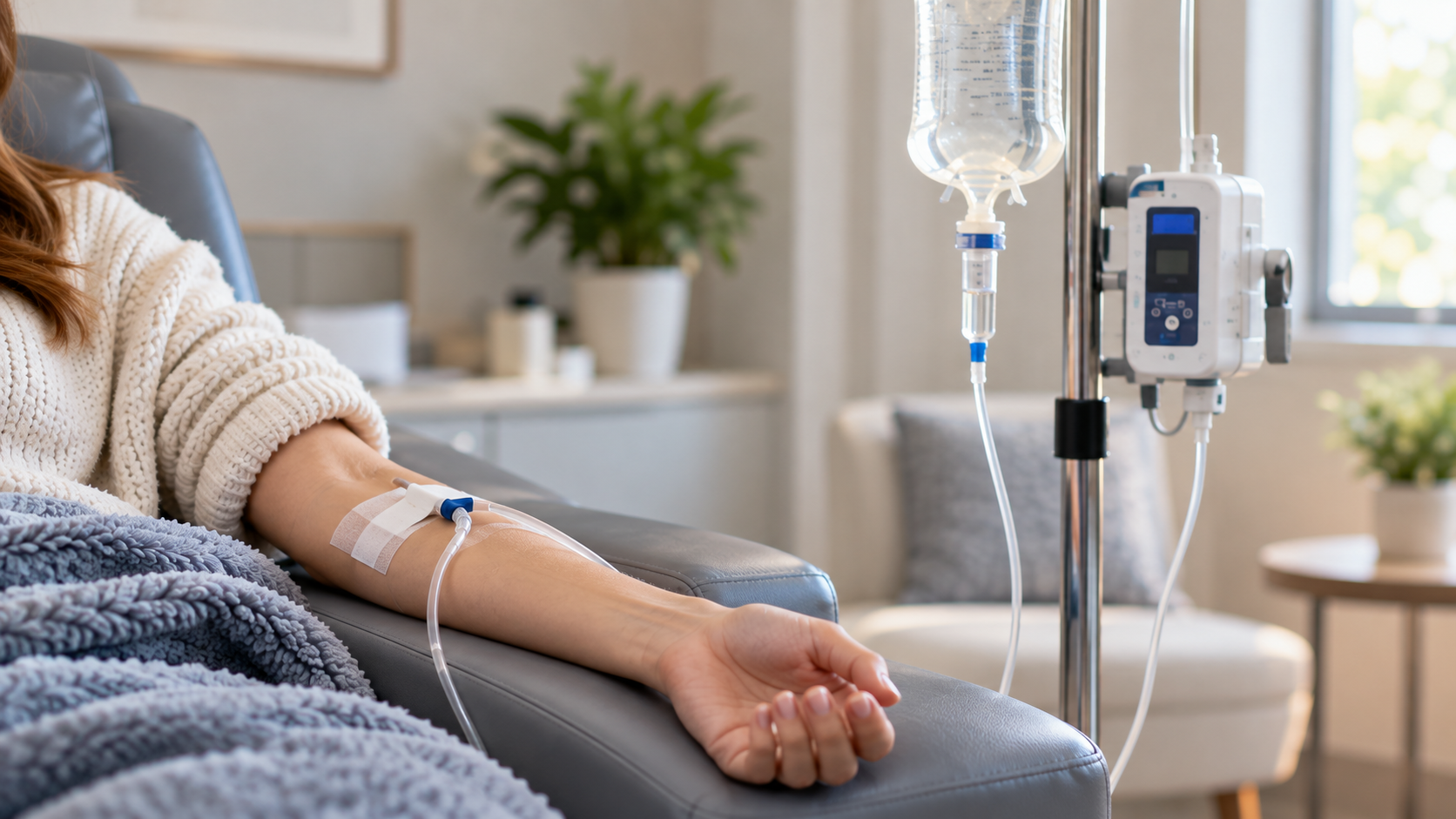
Hawkins Medical & Wellness also offers IV hydration services, but an infusion should never replace evaluation for a serious illness. Learn more about our infusions.
When Is Flu an Emergency?
Some symptoms should not wait for a routine sick visit.
Seek emergency care for symptoms such as:
- Severe trouble breathing
- Persistent chest pain or pressure
- New confusion
- Inability to wake or stay awake normally
- Fainting
- Severe dehydration
- Seizures
- Rapidly worsening symptoms
- Other symptoms that feel severe or life-threatening
Children can have additional warning signs, so caregivers should seek prompt guidance when concerned.
What Happens at a Sick Visit?
Your provider may review when symptoms started, fever and breathing symptoms, hydration, medications, medical conditions, possible exposures, and whether testing or prescription treatment may be appropriate.
The goal is to determine whether complications are developing and what treatment or home-care plan makes sense.
Hawkins Medical & Wellness also provides acute care, screenings, medication management, urgent medical care, and other medical services. Explore our services here.
Call Hawkins Medical & Wellness for a Sick Visit in Cullman, AL
If flu-like symptoms have you wondering whether you need to be seen, call Hawkins Medical & Wellness at (256) 531-3961. Our team can help you determine the appropriate next step and arrange an appointment when needed.
For our address, phone number, and additional clinic information, visit our Contact page.
Medical Disclaimer
This blog is for informational purposes only and does not provide medical advice, diagnosis, or treatment. Flu symptoms and treatment needs vary by individual. Contact a qualified healthcare professional for personal medical advice, especially if you are at higher risk for complications or your symptoms are severe or worsening. If you have emergency warning signs, call 911 or seek emergency care immediately.