

NAD+ Therapy for Fatigue and Brain Fog: What Patients Should Know
NAD+ Therapy for Fatigue and Brain Fog: What Patients Should Know

Feeling tired all the time or struggling to think clearly can make even a normal day feel harder than it should. You may reach for another cup of coffee, lose focus halfway through a task, or wonder why a full night of sleep still does not leave you feeling refreshed.
Fatigue and “brain fog” can have many causes, from poor sleep and dehydration to stress, medications, nutritional deficiencies, and underlying health conditions. Persistent symptoms deserve a thoughtful medical conversation rather than a quick fix.
At Hawkins Medical & Wellness in Cullman, Alabama, we offer NAD+ therapy as one of our wellness support options. If you are in Cullman or North Alabama and are curious about NAD+ for energy or mental clarity, here is what to know before deciding whether it belongs in your wellness plan.
Learn more on our NAD+ Therapy page.
What Is NAD+?
NAD+ stands for nicotinamide adenine dinucleotide. It is a molecule naturally present in the body and involved in essential cellular processes, including reactions cells use to produce energy.
Because of that role, NAD+ has become a growing area of interest in wellness care and medical research.
Why People Ask About NAD+ Therapy
People may explore NAD+ therapy when they are looking for support with:
- Energy and day-to-day stamina
- Mental clarity and focus
- Recovery after demanding periods
- Sleep and wellness routines
- Overall support during periods of stress or fatigue
It is important to keep expectations realistic. Research into NAD+-targeted therapies is still developing, particularly for IV or injectable NAD+ used for wellness purposes. NAD+ therapy should not be viewed as a proven cure for fatigue, brain fog, or a medical condition.
What Can Cause Fatigue and Brain Fog?
Before assuming low energy is something an infusion or injection can solve, it helps to look at the bigger picture. Fatigue is a symptom, not a diagnosis.
Sleep, Hydration, and Nutrition
Poor-quality sleep is one of the most common reasons people feel mentally and physically drained. Dehydration may also contribute to headache, fatigue, dizziness, and difficulty concentrating. Going long stretches without eating or following an overly restrictive diet can affect energy as well.
If hydration may be part of the problem, learn more about our IV nutrient therapy services on the Infusions page.
Stress and a Busy Schedule
Long periods of stress can affect sleep, concentration, appetite, and energy. Sometimes what feels like “brain fog” may be connected to an overloaded schedule and not enough recovery.
Medications and Health Conditions
Certain medications and medical conditions may also contribute to fatigue or difficulty concentrating. That is one reason ongoing or worsening symptoms should be discussed with a healthcare provider.
Our health services include preventive care, medication management, screenings, acute care, lifestyle management, and other primary care support. Explore our primary care and health services on the Health page.
How Is NAD+ Therapy Offered at Hawkins Medical & Wellness?
At Hawkins Medical & Wellness, we offer NAD+ therapy in several forms. Our providers can help determine which approach may fit a patient’s needs and goals.
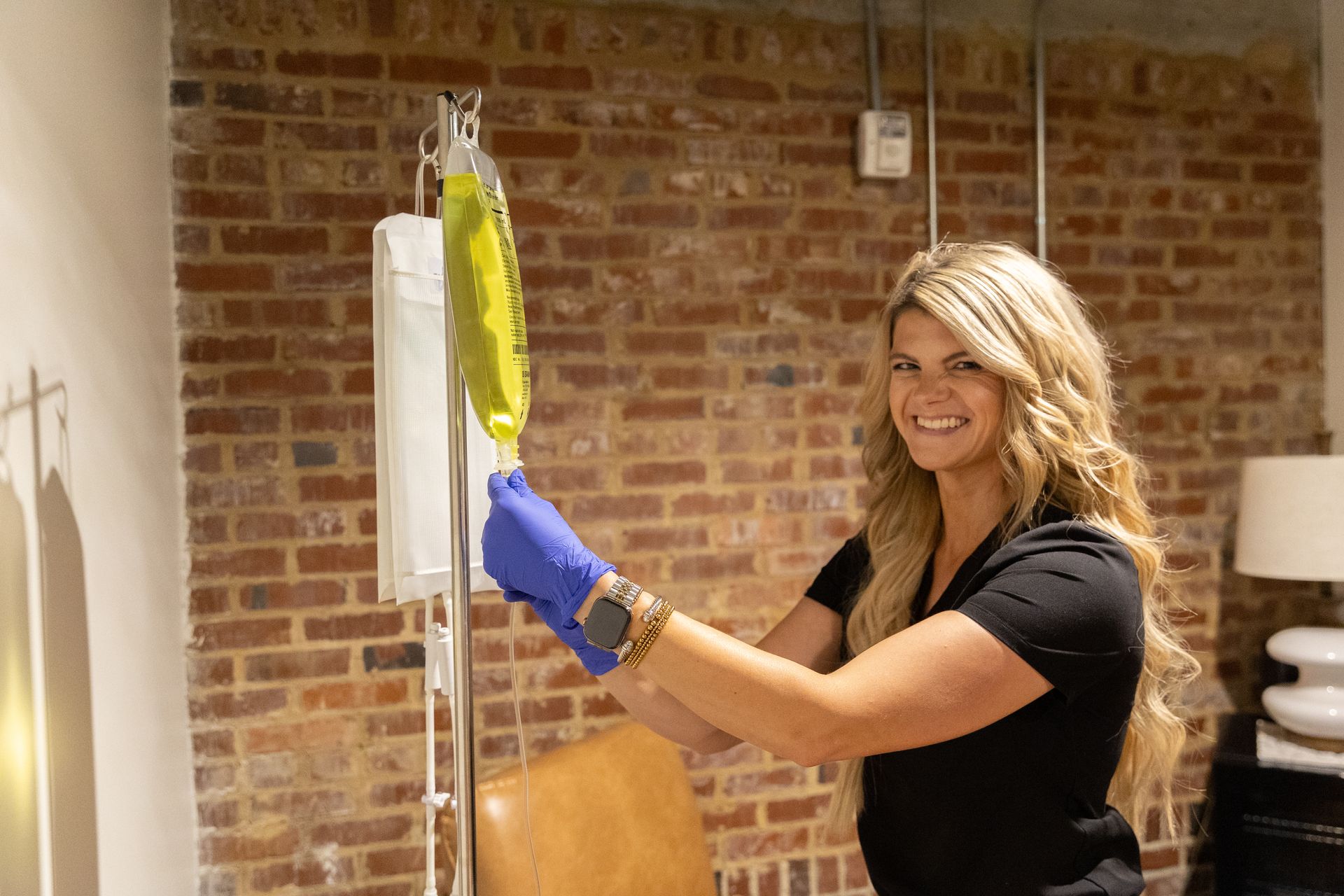
NAD+ IV Infusion
An IV infusion delivers NAD+ through a vein over a period of time.
NAD+ IM and SQ Injections
An intramuscular, or IM, injection delivers NAD+ into a muscle. A subcutaneous, or SQ, injection is administered into the tissue beneath the skin.
Learn more about all three options on our NAD+ Therapy page.
What Should You Ask Before Trying NAD+ Therapy?
A wellness treatment should not be something you choose only because it is trending online.
Questions to Discuss With Our Team
Consider asking:
- What are realistic goals for NAD+ therapy?
- Which route of administration may be appropriate for me?
- What should I expect during and after treatment?
- Are there health conditions or medications that affect whether NAD+ is appropriate?
- Could my fatigue or brain fog need additional evaluation first?
That last question matters. If a symptom is new, persistent, worsening, or interfering with daily life, finding the cause is more important than simply trying to improve the symptom.
When Should Fatigue or Brain Fog Be Evaluated?
Feeling tired after a stressful week is different from unexplained fatigue that lasts for weeks.
Consider scheduling a medical visit if you notice:
- Persistent or worsening fatigue
- New or significant difficulty concentrating
- Unexplained weight changes
- Frequent dizziness
- Shortness of breath
- Significant sleep problems
- Symptoms that interfere with normal activities
Our team can help determine whether primary care, lab work, medication review, or another next step may be appropriate. Explore our full range of medical services on the Services page.
Support Your Energy With the Basics, Too
No wellness therapy replaces the foundations of health. Support your body with consistent sleep, regular hydration, balanced meals with adequate protein, routine movement, stress management, and preventive medical care.
If weight and metabolic health are part of your goals, learn more about our medically supervised weight management services on the Weight Loss page.
Book a NAD+ Therapy Consultation in Cullman, AL
If you are curious about NAD+ therapy for wellness support in Cullman, AL or North Alabama, Hawkins Medical & Wellness can help you understand your options and decide whether it is appropriate for you.
Visit our NAD+ Therapy page to learn more or call us at (256) 531-3961 to book an appointment.
Medical Disclaimer
This blog is for informational purposes only and does not provide medical advice, diagnosis, or treatment. Research on NAD+ therapy for fatigue, brain fog, and wellness outcomes is still developing, and individual experiences vary. NAD+ therapy may not be appropriate for everyone. Talk with a qualified healthcare professional about persistent symptoms and before beginning any new treatment. If you experience severe or sudden symptoms or a medical emergency, call 911 or seek emergency care immediately.