

Iron Infusions in Cullman, AL: What to Expect Before, During, and After Treatment
Iron Infusions in Cullman, AL: What to Expect Before, During, and After Treatment

Feeling tired, weak, lightheaded, short of breath, or mentally foggy can have many possible causes. For some people, low iron is part of the problem. When iron deficiency is confirmed and oral iron supplements are not effective, are not tolerated, or are not the best option for a patient’s situation, a healthcare provider may recommend an iron infusion.
At Hawkins Medical & Wellness in Cullman, Alabama, we offer iron infusions for patients who may benefit from intravenous iron therapy. The goal is not to treat fatigue blindly. It is to review symptoms, lab work, and medical history to determine whether iron deficiency is actually present before deciding on treatment.
If you have been told your iron is low or are wondering what an iron infusion involves, here is what to expect before, during, and after treatment.
Learn more about our iron infusion services.
What Is an Iron Infusion?
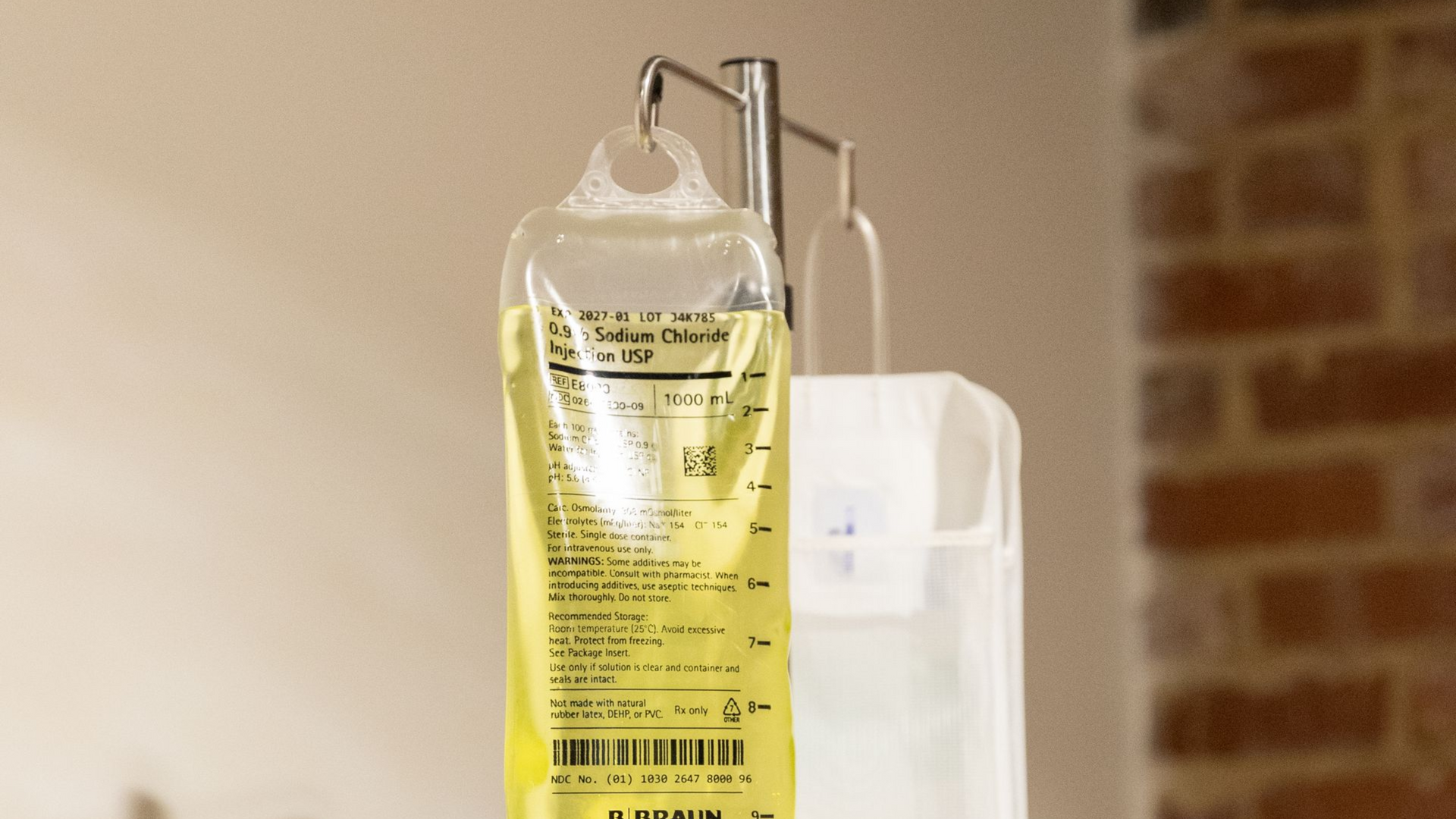
An iron infusion delivers iron directly into the bloodstream through an IV. Unlike oral iron supplements, which must pass through the digestive system, IV iron is administered directly into a vein.
Iron is essential for making hemoglobin, the protein in red blood cells that helps carry oxygen throughout the body. When iron stores become too low, some people develop iron-deficiency anemia.
Why Might a Provider Recommend IV Iron?
An iron infusion may be considered when a patient:
- Cannot tolerate oral iron because of gastrointestinal side effects
- Has tried oral iron without enough improvement
- Has difficulty absorbing iron through the digestive system
- Needs iron levels restored more quickly
- Has ongoing blood loss
- Has lab results showing iron deficiency that requires treatment
Not everyone who feels tired needs iron. Fatigue, headaches, dizziness, shortness of breath, and brain fog can have many causes, which is why evaluation and lab work matter.
Take a broader look at our health services.
What Happens Before an Iron Infusion?
The first step is determining whether IV iron is appropriate for you.
At Hawkins Medical & Wellness, Dr. Jeremy Hawkins reviews symptoms, medical history, and relevant lab work before recommending an iron infusion.
Be Ready to Discuss Your Health History
Before treatment, tell our team about:
- Current medications and supplements
- Medication allergies
- Previous reactions to IV medications
- Chronic medical conditions
- Pregnancy or possible pregnancy
- Recent changes in symptoms
- Previous treatment for low iron or anemia
If you are unsure about medications, supplements, food, or hydration before your appointment, call our office rather than making changes on your own.
What Happens During an Iron Infusion?
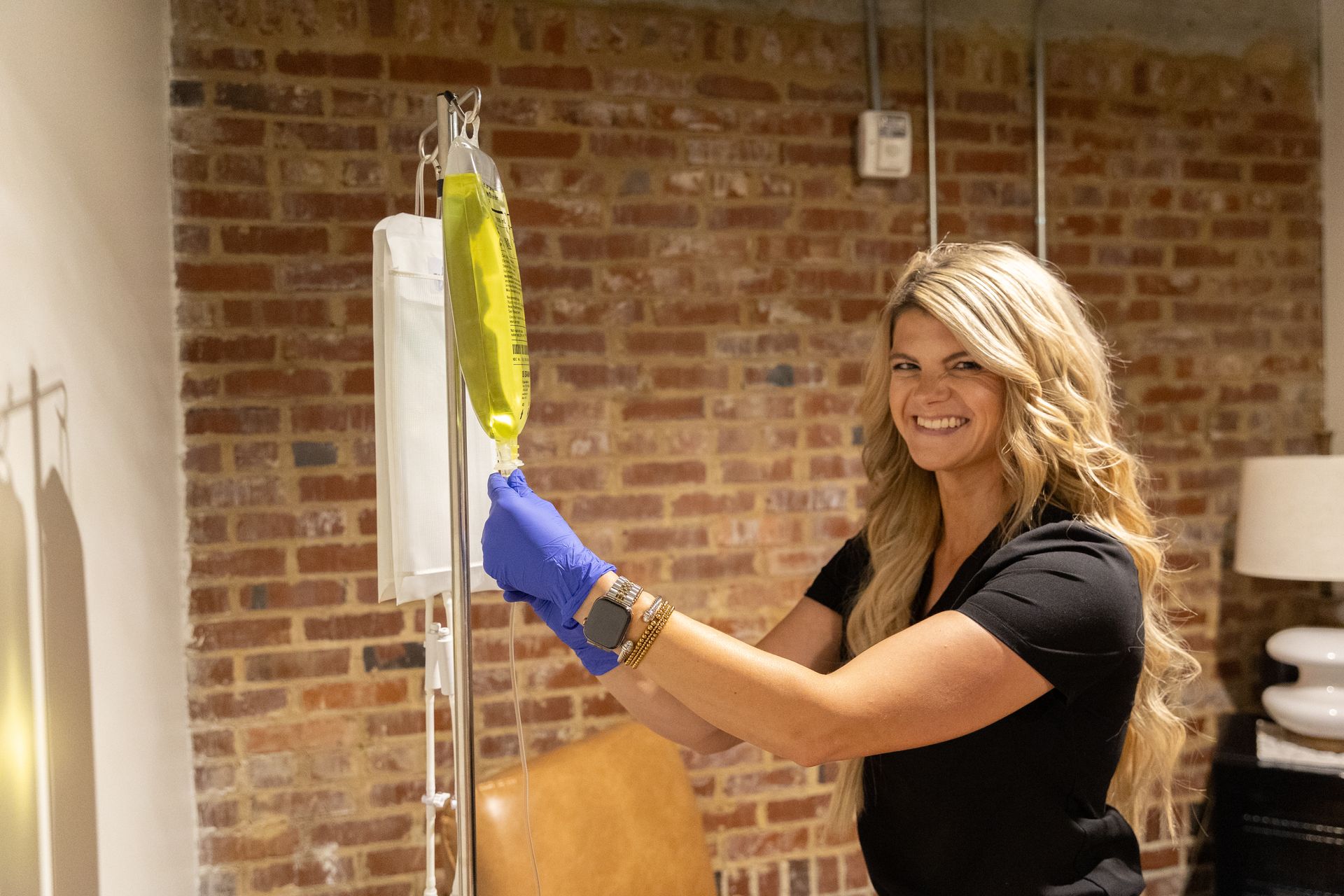
Your infusion is administered in our office by our medical team.
A member of the team will place an IV, typically in your arm or hand. The iron medication is then delivered through the IV.
The length of the appointment varies depending on the specific iron product, dose, and treatment plan. At Hawkins Medical & Wellness, iron infusion visits may range from approximately 30 minutes to a few hours.
Monitoring During Treatment
Our team will monitor you during the infusion. Most patients tolerate IV iron well, but reactions can occur, which is why medical supervision is important.
You may want to bring something quiet to do while you receive treatment, such as headphones, a book, or your phone.
What Can You Expect After an Iron Infusion?
Do not expect to walk out of the office feeling completely different within five minutes. Your body needs time to use the iron it receives.
Some patients begin noticing improvements over the following days or weeks as iron stores are replenished. How quickly you feel better depends on the severity and cause of the deficiency, your overall health, and whether blood loss is continuing.
Some people require more than one infusion. Your provider will determine whether additional treatment or follow-up blood work is needed.
What Side Effects Can Happen?
IV iron is generally well tolerated, but side effects are possible.
Potential reactions may include:
- Headache
- Nausea or stomach discomfort
- Dizziness
- Muscle or joint aches
- Changes in blood pressure
- Rash or itching
- Swelling
- Discomfort around the IV site
Serious allergic reactions are uncommon but possible. Seek immediate medical attention for trouble breathing, chest pain, severe swelling, fainting, or another severe reaction.
Iron Infusion vs. Oral Iron: What Is the Difference?
Oral iron works well for many patients and may be the first treatment recommended. However, some people have difficulty tolerating iron pills because of constipation, nausea, stomach pain, or other digestive effects.
IV iron bypasses the digestive system and can replenish iron stores more directly. That does not mean IV iron is automatically “better.” The right choice depends on the cause and severity of your deficiency, your health history, and how you respond to treatment.
Why Finding the Cause of Low Iron Matters
Replacing iron is important, but so is understanding why your iron became low in the first place.
Possible causes can include inadequate dietary iron, heavy menstrual bleeding, gastrointestinal blood loss, pregnancy-related needs, or problems absorbing nutrients. The appropriate next step depends on the individual.
That is another reason we view iron infusion therapy as part of medical care rather than a stand-alone wellness treatment.
Explore our full range of health services here.
Call Hawkins Medical & Wellness About Iron Infusions in Cullman, AL
If you have been told you have low iron or are experiencing symptoms that may need medical evaluation, our team can help determine your next step.
To ask about an iron infusion consultation in Cullman, AL, call Hawkins Medical & Wellness at (256) 531-3961.
You can also visit our Contact page for our address, phone number, and other clinic information.
Medical Disclaimer
This blog is for informational purposes only and does not provide medical advice, diagnosis, or treatment. Iron infusions are not appropriate for everyone and should only be used when recommended by a qualified healthcare professional based on your symptoms, medical history, and laboratory results. Seek emergency care for severe allergic reactions, trouble breathing, chest pain, fainting, or other emergency symptoms.