

Why Primary Care Should Be Part of Your Weight Loss Plan
Why Primary Care Should Be Part of Your Weight Loss Plan

When most people think about weight loss, they think about food, exercise, and maybe medication. But one of the most helpful pieces of a successful weight management plan is often overlooked: primary care.
Weight loss is connected to your whole health. Appetite, metabolism, blood sugar, medications, sleep, stress, hormones, and chronic conditions can all play a role. That is why working with a primary care physician can make such a difference. Instead of guessing your way through another diet, primary care helps you understand what may be affecting your progress and what kind of plan actually fits your body.
At Hawkins Medical & Wellness in Cullman, Alabama, our approach to weight management is designed to connect the dots between medical care, nutrition guidance, lifestyle support, and long-term wellness. If you are in Cullman, AL or North Alabama and trying to lose weight safely, here is why primary care should be part of the process.
Learn more about our weight management services here.
Weight Loss Is About More Than Calories
Calories matter, but they are not the only thing that matters. Two people can eat similar diets and see completely different results because their bodies, health histories, stress levels, sleep patterns, and medications are different.
Factors That Can Affect Weight Loss
A primary care approach may consider:
- Appetite and cravings
- Blood sugar patterns
- Sleep and stress
- Current medications
- Hormone-related concerns
- Energy levels and fatigue
- Family history
- Chronic health conditions
- Nutrition habits and meal timing
This is why a generic diet plan can feel frustrating. It may not account for the factors that are specific to you.
How a Primary Care Physician Supports Weight Management
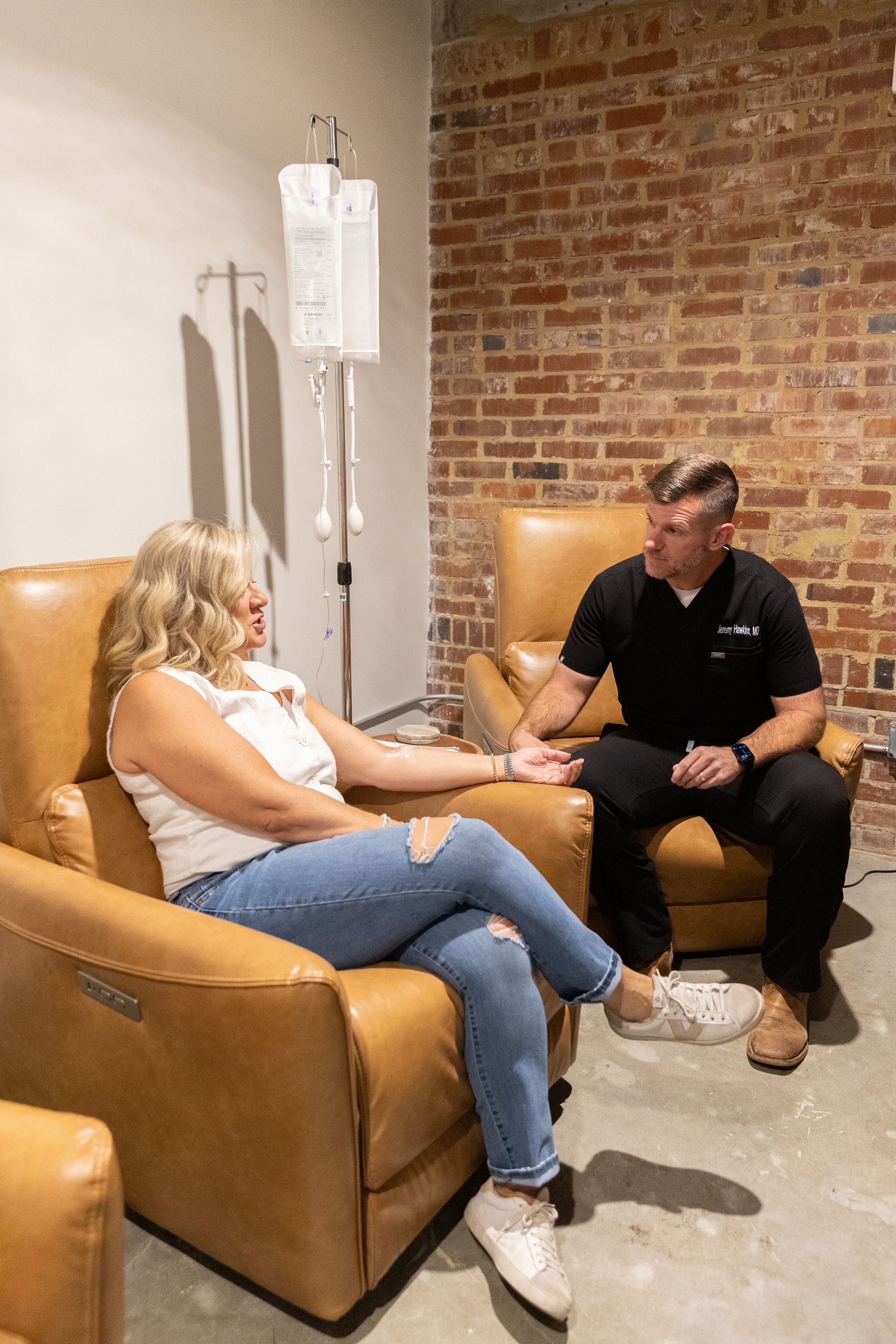
A primary care physician can help you look at weight loss through a medical lens, not just a diet lens.
Reviewing Your Health History
Before building a plan, it helps to understand your medical background. Your provider may review past diagnoses, family history, medications, previous weight loss attempts, and any symptoms you have noticed recently.
This helps answer important questions, such as:
- Are there medications that may be affecting weight or appetite?
- Are there health markers that need to be monitored?
- Are fatigue, cravings, or appetite changes connected to something else?
- Is weight loss medication appropriate and safe?
At Hawkins Medical & Wellness, our broader health services include screenings, medication management, nutritional counseling, lifestyle management, acute care, and urgent care-style support. Explore our services here.
Why Preventive Care Matters During Weight Loss
Weight management is not just about looking different. It can also support long-term health. That is where preventive care becomes important.
Health Markers Worth Tracking
Depending on your situation, your provider may discuss:
- Blood pressure
- Blood sugar trends
- Cholesterol markers
- Weight and waist changes
- Energy and sleep patterns
- Medication needs
- Other health indicators based on your history
Tracking these markers can help show progress beyond the scale. Sometimes the scale moves slowly, but energy improves, blood pressure trends better, or cravings become easier to manage. Those wins matter.
For more health and wellness education, visit our health resources here.
Primary Care Helps With Medication Safety
For some patients, medically supervised weight loss may include prescription support. At Hawkins Medical & Wellness, weight management options may include semaglutide injections or tirzepatide when appropriate.
Why Medical Guidance Is Important
Weight loss medications are not right for everyone. A primary care physician can help evaluate whether they may be appropriate based on your health history, current medications, symptoms, and goals.
Medical supervision also helps with:
- Understanding side effects
- Knowing when to follow up
- Staying hydrated and nourished
- Adjusting the plan safely
- Avoiding unsafe DIY medication changes
The goal is not just to start medication. The goal is to use the right tools safely and effectively as part of a complete plan.
Primary Care Can Help When Progress Slows
Most people hit a plateau at some point. When that happens, it is easy to think, “This just isn’t working.” But a plateau often means your plan needs to be adjusted.
What We May Review During a Plateau
If progress slows, we may look at:
- Protein intake
- Meal timing
- Weekend habits
- Sleep and stress
- Hydration
- Daily movement
- Medication response
- Health markers
Instead of overcorrecting with extreme restriction, primary care helps you make smart, sustainable adjustments.
A Strong Weight Loss Plan Should Fit Real Life
A plan that only works during a perfect week is not a good plan. Most people are dealing with work, family, stress, social events, travel, and busy schedules. Primary care helps build a plan around your real life.
Practical Support May Include
- Nutritional guidance
- Meal planning strategies
- Behavior support
- Accountability and monitoring
- Lifestyle management
- Adjustments as your needs change
That kind of support can make weight management feel less overwhelming and more doable.
Book a Weight Management Consultation in Cullman, AL
If you are looking for medical weight loss in Cullman, AL or North Alabama, Hawkins Medical & Wellness can help you build a plan that connects weight management with your overall health.
- Learn more about our weight management services.
- Explore our services.
- Call us: (256) 531-3961
- Learn more about our clinic.
Medical Disclaimer
This blog is for informational purposes only and does not provide medical advice, diagnosis, or treatment. Weight management plans, lab testing, and medication options should be discussed with a qualified healthcare professional based on your personal health history, medications, and goals. Individual results vary. If you have severe symptoms or a medical emergency, call 911 or seek emergency care immediately.