

What to Expect at Your First Medical Weight Loss Appointment
What to Expect at Your First Medical Weight Loss Appointment

Starting a medical weight loss program can feel exciting, but it can also bring up a lot of questions. What happens at the first visit? Will you be judged? Do you need labs? Will medication be discussed? Do you have to follow a strict meal plan?
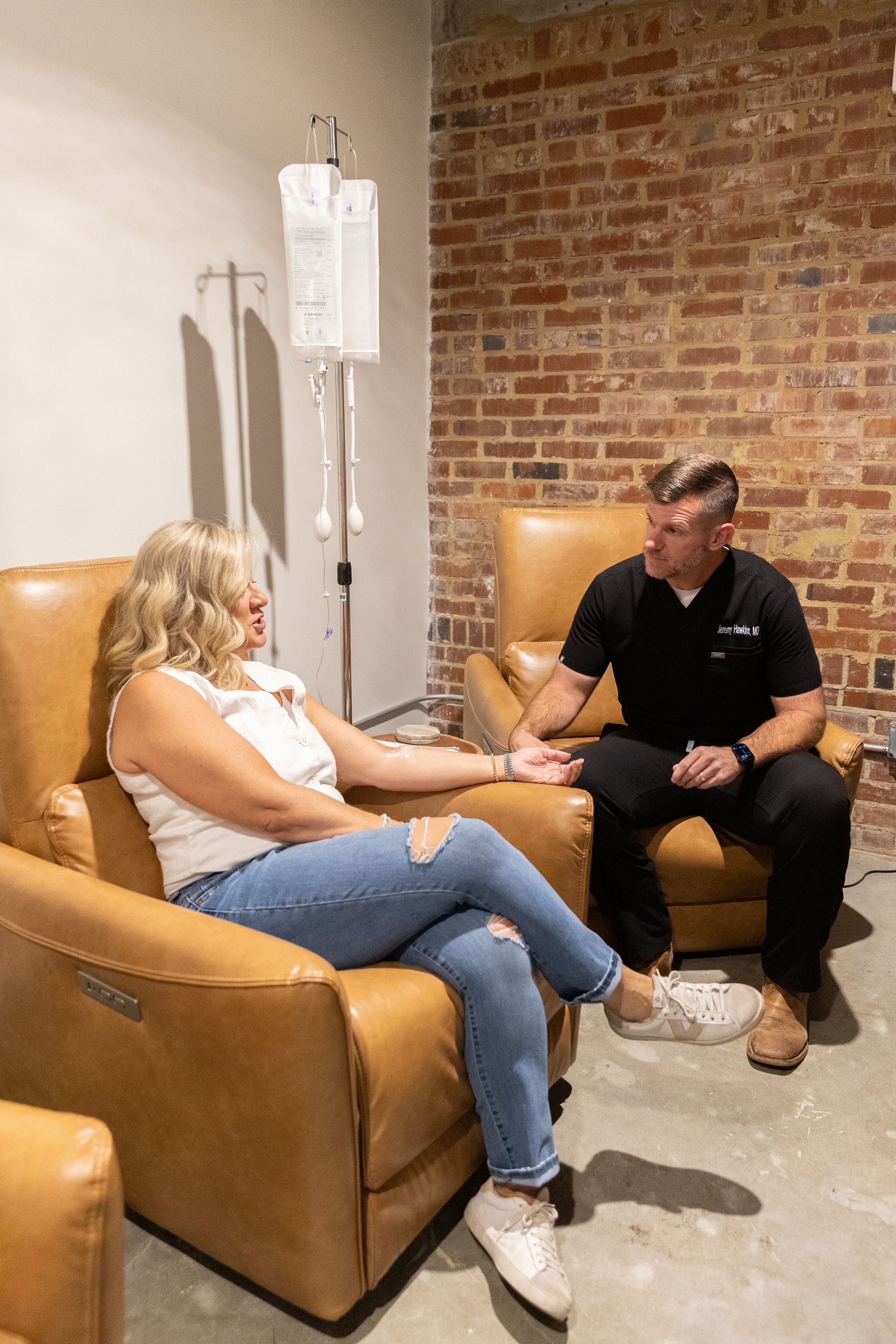
At Hawkins Medical & Wellness in Cullman, Alabama, our goal is to make the process clear, supportive, and personalized. Your first appointment is not about shame or pressure. It is about understanding where you are, what you have tried, what has been difficult, and what kind of plan may work best for your health and lifestyle.
If you are considering medical weight loss in Cullman, AL or North Alabama, here is what you can generally expect at your first visit.
Step 1: A Conversation About Your Goals
Your first appointment usually begins with a conversation. We want to understand what brought you in and what you hope to achieve.
Goals Can Look Different for Everyone
Some patients want to lose a specific amount of weight. Others want to improve energy, reduce cravings, feel better in their clothes, support metabolic health, or get back into a routine after years of frustration.
You may discuss:
- Your weight history
- Previous weight loss attempts
- What worked before
- What did not feel sustainable
- Your current eating patterns
- Your activity level
- Your sleep, stress, and daily schedule
This helps us build a plan that fits your real life, not a perfect version of it.
Learn more about our weight management services here.
Step 2: A Review of Your Health History
Medical weight loss should be connected to your overall health. That is why your first appointment may include a review of your medical history, current medications, family history, and any symptoms or concerns you are experiencing.
Why This Matters
Weight loss can be affected by many factors, including:
- Appetite and cravings
- Blood sugar patterns
- Hormone-related changes
- Medications
- Stress and sleep
- Chronic health conditions
- Lifestyle routines
A medical approach helps us look for patterns that may be easy to miss in a standard diet program.
At Hawkins Medical & Wellness, our broader health services include screenings, acute care, medication management, nutritional counseling, lifestyle management, and urgent care-style support. Explore our services here.
Step 3: Health Assessments and Possible Lab Discussion
Depending on your health history and goals, your appointment may include or lead to discussion about health assessments, metabolic factors, or lab work.
What We May Look For
Your provider may want to better understand:
- Metabolic health
- Weight-related health risks
- Energy and fatigue patterns
- Medication considerations
- Health markers that may affect your plan
This does not mean everyone needs the same testing. It simply means your plan should be based on your body and your health profile.
For more general health education, visit our health resources here.
Step 4: Discussion of Weight Management Options
Your weight loss plan may include lifestyle strategies, nutrition guidance, meal planning, behavior support, and medication options when appropriate.
Medication May Be Part of the Conversation
Hawkins Medical & Wellness offers prescription weight loss support, including semaglutide injections and tirzepatide when appropriate. These options may help support appetite control, cravings, and long-term weight management for some patients.
The key phrase is “when appropriate.” These medications are not for everyone, and they work best as part of a larger plan that includes nutrition, lifestyle changes, follow-up, and accountability.
Step 5: Nutrition and Lifestyle Guidance
A medical weight loss appointment should not leave you with vague advice like “eat better.” We want your plan to feel practical.
Realistic Nutrition Support May Include
- Protein-focused meals
- Meal planning that fits your schedule
- Hydration goals
- Strategies for cravings
- Weekend planning
- Simple swaps that do not feel extreme
This is especially important because a plan that feels too restrictive usually does not last. The goal is not perfection. The goal is consistency.
Step 6: Follow-Up and Accountability Planning
Your first appointment is just the beginning. Weight management works best when there is follow-up, progress tracking, and room to adjust.
Why Follow-Up Matters
Follow-up visits help us:
- Monitor your progress
- Troubleshoot plateaus
- Discuss side effects if medication is used
- Adjust nutrition or lifestyle goals
- Keep your plan realistic as life changes
This ongoing support can make a major difference, especially if you have tried to lose weight before and felt like you were doing it alone.
How to Prepare for Your First Visit
A little preparation can make your appointment more helpful.
Bring or Think Through These Details
- Current medications and supplements
- Previous weight loss programs or medications you have tried
- Your biggest barriers, such as cravings, time, stress, or hunger
- Your usual meals and snacks
- Your sleep and activity patterns
- Any questions you want answered
And truly, do not worry if your routine is not perfect. That is why you are coming in. We are here to help you build a plan from where you are right now.
Book a Medical Weight Loss Appointment in Cullman, AL
If you are ready to start a personalized weight management plan in Cullman, AL or North Alabama, Hawkins Medical & Wellness is here to help.
- Learn more about our weight management program.
- Contact us for an appointment here.
- Call us: (256) 531-3961
- Learn more about our clinic.
Medical Disclaimer
This blog is for informational purposes only and does not provide medical advice, diagnosis, or treatment. Weight management plans, lab testing, and medication options should be discussed with a qualified healthcare professional. Do not start, stop, or change medications without medical guidance. Individual results vary. If you have severe symptoms or a medical emergency, call 911 or seek emergency care immediately.